
Land clearing is not simply the moment when brush and unwanted growth disappear. It is the first construction decision for whatever comes next. A well-planned clearing project opens useful ground, protects the features worth keeping, and leaves the site ready for grading, drainage, access, or landscape work instead of creating another round of cleanup.
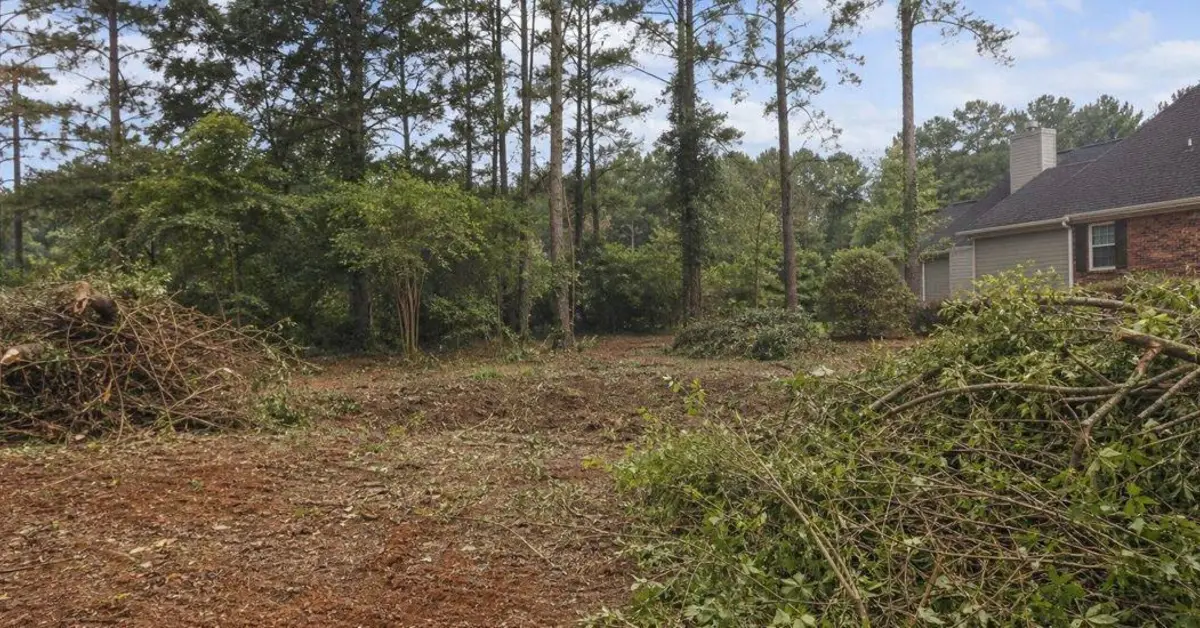
Late summer makes the difference between a vague idea and a workable site plan easy to see. Dense foliage shows the full reach of overgrowth, afternoon storms reveal low areas, and dry stretches make access routes more visible. Around Phenix City and the Columbus side of the Chattahoochee Valley, those clues matter because wooded edges, red-clay soils, slopes, and narrow residential access can change how a clearing job should be approached.
Greenz Outdoor Services provides land clearing and lot preparation as part of its excavation work. The most productive first conversation is not about how quickly everything can be removed. It is about the purpose of the cleared space, the limits of the work, the condition it should be left in, and the improvements that need to follow.
Start land clearing with the finished use
A future lawn, planting area, driveway, patio, drainage route, and open natural area do not need the same final surface. If the goal is only to reclaim an overgrown edge, selective clearing may be enough. If the goal is construction or a new outdoor living area, the site may also need root removal, rough grading, material movement, and a stable route for later crews.
Write down the next use in plain language before marking a single tree. A simple statement such as “open this side yard for equipment access and prepare the back section for a future patio” gives the clearing plan a measurable outcome. Coordinating the work with landscape design and installation can also prevent the removal of trees, grade, or natural screening that the final design would have used.
Seven questions that shape a better clearing plan
1. Where are the exact work limits?
Property lines, easements, setbacks, utilities, septic components on properties that have them, fences, and neighboring vegetation all affect the boundary. The owner should identify known corners and documents, while uncertain boundaries may need professional confirmation before work begins.
Marking the limit protects natural buffers and mature plants that would be difficult or impossible to replace. For a large area, break the plan into keep, remove, and review zones rather than treating every stem as the same decision.
2. What should stay, and how will it be protected?
Healthy shade trees, privacy screening, specimen plants, and stable wooded edges can add value to the finished property. Protection means more than tying ribbon around a trunk. Root zones can be damaged by traffic, fill soil, excavation, and stockpiled material even when the tree itself is never touched.
Decide where equipment and trucks can travel without repeatedly crossing sensitive areas. Identify low branches, overhead lines, gates, irrigation components, decorative hardscape, and lawn that must remain. When a future patio, walkway, or driveway is part of the plan, preserve enough working room for its base and drainage rather than clearing only the visible surface footprint.
3. What kind of vegetation is being removed?
Light brush, tall grass, saplings, mature trees, vines, and buried root systems require different methods. Bush hogging can reclaim suitable open ground, but it does not produce the same result as removing woody growth and stumps. Likewise, cutting a tree at grade does not make its root mass disappear beneath a future lawn or hardscape.
Note trunk sizes, density, dead or leaning material, thorny growth, and any plants that may need special handling. This inventory helps match the approach to the property.
4. How will equipment enter and material leave?
Access often controls the pace and method of residential land clearing. A narrow gate, soft lawn, steep side yard, overhead canopy, or tight turn can limit equipment and truck movement. The shortest route is not always the safest route if it crosses drainage lines, finished surfaces, or areas the homeowner wants to keep intact.
Plan the staging area too. Brush, logs, soil, and equipment need temporary space before material is processed, hauled, or placed. The route should remain usable after a summer storm, and the restoration plan should cover ruts or disturbed edges created by necessary access.
5. Where will stormwater move after vegetation changes?
Vegetation slows runoff and roots help hold soil. Removing it can expose red clay and change how quickly water crosses a slope. The clearing plan should identify existing flow paths, low points, culverts, ditches, and areas that already wash after storms. Bare ground should not be left to send sediment toward a driveway, neighboring lot, or finished landscape.
Some properties need rough grading, stabilization, or a planned drainage phase immediately after clearing. Review the site's recurring drainage warning signs before deciding the final grade. If a slope will be reshaped or supported, the retaining wall plan belongs in the conversation before material is moved twice.
6. What happens to brush, logs, stumps, and soil?
“Clear the lot” can mean very different things if debris handling is not defined. Material might be cut and stacked, chipped, hauled, or handled another agreed way depending on the site and scope. Stumps may remain, be ground, or be removed. Excess soil may be redistributed only when it fits the grade plan, or it may need to leave the property.
Ask the estimate to state what happens to each major material type and what finish condition is included. A cleared area that still contains deep holes, loose debris, or buried woody material may not be ready for its next use.
7. What condition should the ground be in at handoff?
Rough-cleared ground, a graded building area, and a lawn-ready surface are three different deliverables. Define whether the next step needs only access, approximate elevation, compaction, topsoil preparation, drainage, or final landscape grading. The closer the handoff matches the next crew's needs, the less duplicated work the homeowner pays for.
This is especially useful on acreage and wooded-edge properties around Cataula, where a project may mix open ground with selective natural screening. A staged plan can clear only the area needed now while preserving options for later phases.
What affects land clearing cost?
Acreage is only the starting point. Vegetation density, tree diameter, stump requirements, slope, soil condition, access, haul distance, disposal method, utility conflicts, erosion control, grade work, and restoration all affect the scope. Two half-acre projects can be very different when one is open brush and the other is dense woody growth behind a narrow home site.
Compare estimates by the stated result. Confirm work limits, protected areas, debris handling, stump treatment, access restoration, and final grade. A lower total can leave a costly gap if the area still needs another crew before the intended project can begin.
Prepare the property before equipment arrives
- Confirm the intended use and mark the approved work limits.
- Identify protected trees, beds, fences, irrigation, and finished surfaces.
- Use the applicable 811 service before digging and discuss other known site features.
- Move vehicles, furniture, toys, and portable items away from access and staging areas.
- Document existing conditions with wide photos, especially after rain.
- Confirm where material will go and what the final ground condition includes.
Greenz Outdoor Services can walk the property, discuss the next use, and shape a clearing scope around the actual site. To start that conversation, request an estimate or call (706) 786-9664.
Clear with the next phase in mind
Good land clearing creates options instead of surprises. Define the boundary, protect what matters, plan access and drainage, and agree on the handoff condition before work starts. The result should not just look more open. It should be a safer, more useful site that is ready for the driveway, landscape, hardscape, or open space you planned from the beginning.
Land Clearing questions
What should I do before land clearing starts?
Define the next use, confirm the work limits, mark features that must stay, identify access and staging areas, use the applicable 811 service before digging, and agree on debris handling and the final ground condition.
Is bush hogging the same as land clearing?
No. Bush hogging is useful for suitable tall grass and brush, while land clearing may include woody growth, trees, stumps, material handling, and site preparation. The right method depends on the vegetation and the intended result.
What affects land clearing cost?
Vegetation density, tree and stump work, acreage, slope, access, soil, utilities, debris handling, hauling, grading, erosion control, and restoration all affect cost. A site-specific estimate should define the result, not only the area.
Should drainage be planned before clearing land?
Yes. Removing vegetation can change runoff and expose soil. Existing flow paths, low areas, slopes, and the final use should guide rough grading, stabilization, and any drainage work that follows clearing.